
Ghana refine gold locally
By Newz.Africa Business Desk | Accra, Ghana | 21 January 2026 | Ghana refine gold locally
Ghana has announced a major shift in its gold trade policy. The country is moving to refine gold domestically before export. This effort aims to keep more value from Africa’s largest gold-producing economy. The initiative is designed to curb decades of raw gold exports. It aims to keep refining revenues, jobs, and foreign exchange within the country.
The new approach follows a landmark agreement signed on 20 January 2026. It was made between the Ghana Gold Board (GoldBod) and Gold Coast Refinery Limited. South Africa’s Rand Refinery is providing technical and commercial support. The deal will see Ghana start refining gold locally on 1 February 2026. This marks the first time the state formally commits to large-scale domestic refining.
Ghana refine gold locally to reduce raw exports
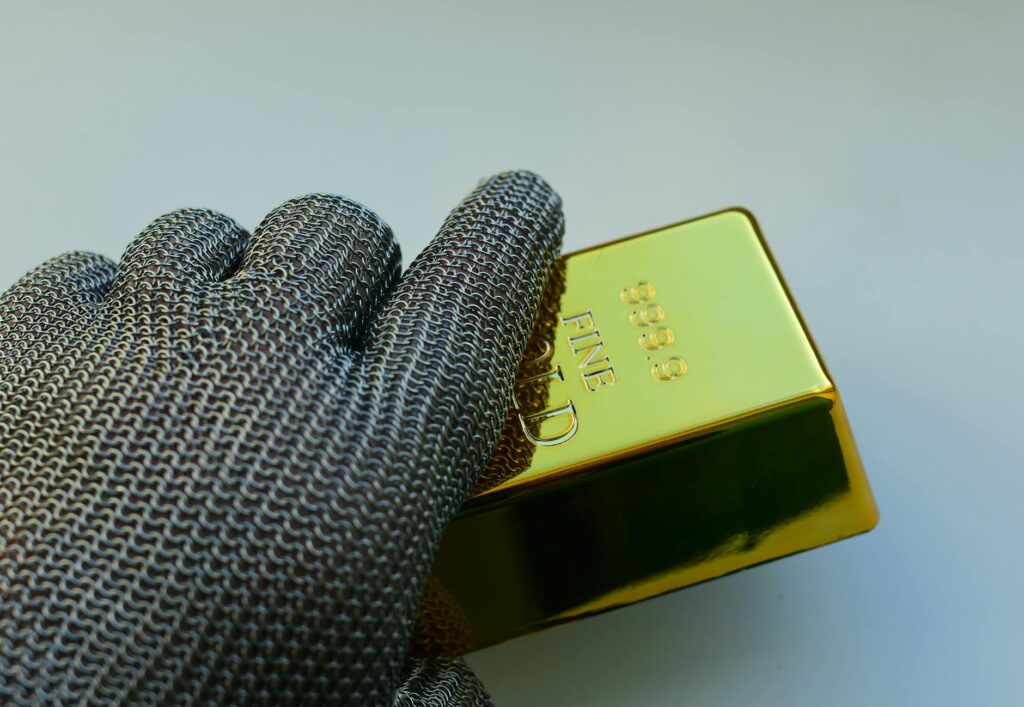
GoldBod will supply up to one metric tonne of gold per week. It will be refined at Gold Coast Refinery in Accra under the agreement. Officials say the volumes will be scaled up over time, with the long-term aim of refining most gold exports locally.
Ghana hosts one of the largest refineries in the sub-region. Yet, it has historically exported almost all its gold in raw or semi-processed form. GoldBod estimates that about 99.9 percent of Ghana’s gold has been shipped abroad unrefined, leading to significant losses in refining fees and downstream value.
GoldBod chief executive Sammy Gyamfi said the new arrangement would reverse that trend. It would also strengthen Ghana’s position along the global gold value chain. He noted that millions of dollars were paid annually to refineries abroad. These include countries like Switzerland, India, and the United Arab Emirates. These funds used to leave the local banking system. Now, those funds would stay in the local banking system.
Jobs, forex and state participation as Ghana refine gold locally
As part of the agreement, the Republic of Ghana has secured a 15 percent free-carried interest in Gold Coast Refinery. This gives the state a direct ownership stake in the refining process. The stake will be held by GoldBod on behalf of the government and is expected to generate dividends over time.
GoldBod officials say local refining will support job creation. The refinery is expected to run 24 hours a day. This aligns with government policy. Authorities project increased tax revenue, improved foreign exchange inflows and new opportunities for downstream industries like jewellery manufacturing.
The refined gold is expected to meet international bullion standards, with basic purity levels of 99.5 percent and capacity to reach higher grades required for global markets. All locally refined bars will carry official markings from GoldBod, the Ghana Standards Authority and the Bank of Ghana.
Push for global standards and traceability
Rand Refinery, Africa’s only London Bullion Market Association (LBMA)-accredited refinery, will offer technical backing to the project. The partnership is intended to support Ghana’s bid to secure LBMA accreditation for its own refining operations. Officials say this step would improve market access and pricing for Ghanaian gold.
Beyond value addition, the government says local refining will enhance traceability in the gold supply chain. This is particularly true for gold sourced from artisanal and small-scale mining operations. Tighter oversight is expected to help formalise the sector. It is also expected to reduce smuggling. Smuggling has long been a concern in Ghana’s gold trade.
Part of a broader industrial strategy
The refining initiative aligns with Ghana’s wider industrial policy. The aim is to move away from exporting raw commodities toward higher-value processing at home. Gold is Ghana’s top export earner. It is also a key source of foreign exchange. Policymakers argue that domestic refining is overdue. This need arises given rising global gold prices.
Analysts say the success of the policy will depend on consistent supply. Regulatory enforcement will be crucial. Additionally, there must be an ability to scale refining volumes over time. For now, the agreement signifies one of the most significant structural changes in Ghana’s gold sector in decades.
Original Reporting
- Verified the signing date and parties involved through Allen Dreyfus and Ghana Business News.
- Cross-checked refining volumes, ownership structure and start date.
- Confirmed policy context linked to GoldBod’s mandate and government industrial strategy.
Primary artefact
- Public announcements by the Ghana Gold Board after the 20 January 2026 signing ceremony in Accra.
Also Read:
About the Author