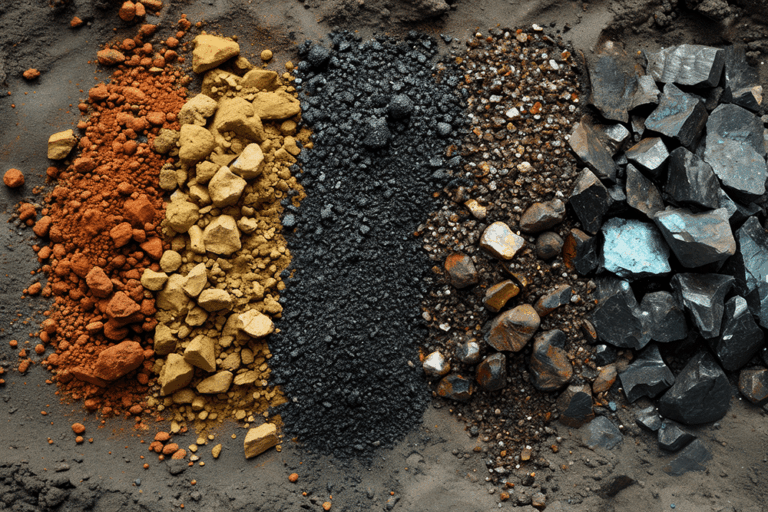

Photo by RhAgchem is licensed under CC BY-SA 4.0 via Openverse
Newz.Africa | Business Desk |14 April 2026 | South Africa | Rhodium South Africa
Rhodium has overtaken gold and platinum as the world’s most expensive mineral, trading at around $10,000 per ounce. South Africa produces nearly 80% of global supply, positioning the country at the centre of this critical market. The surge in value reflects rising demand for cleaner technologies and stricter emissions standards worldwide.
What’s Happening
Industry figures confirm rhodium’s price has reached approximately $10,000 per ounce, making it the highest‑valued mineral currently traded. South Africa accounts for close to 80% of global production, according to official mining statistics. The mineral is primarily used in catalytic converters, which reduce harmful vehicle emissions by converting toxic gases into less harmful substances.
Rhodium’s physical properties strength, corrosion resistance, and high reflectivity, make it indispensable for industrial applications. Beyond automotive use, it is also employed in electronics, chemical processes, and specialised optical instruments. These diverse applications contribute to sustained demand, even as supply remains limited.
South Africa’s mining sector has long been a global leader in platinum group metals, and rhodium’s rise further underscores the country’s strategic role. Production figures highlight the concentration of supply in a single geography, which amplifies both economic opportunity and systemic risk.
Newz.Africa Analysis
The sharp increase in rhodium’s value underscores the strategic importance of South Africa’s mining sector in global clean technology supply chains. As demand for catalytic converters grows alongside stricter emissions standards, rhodium’s limited availability poses risks of price volatility. South Africa’s dominance in production positions the country as a key player in the transition to greener transport, but also raises questions about sustainability and long‑term resource management. Policymakers and industry stakeholders will need to balance export opportunities with domestic environmental and economic priorities.
Beyond the automotive sector, rhodium’s unique properties make it valuable in specialised industries such as electronics and chemical manufacturing. This diversification of demand suggests that reliance on rhodium will extend beyond transport, increasing pressure on supply chains. South Africa’s mining industry therefore faces both opportunity and responsibility: to meet global demand while ensuring that extraction practices align with environmental and labour standards.
The concentration of production in one country also introduces geopolitical considerations. South Africa’s role as the primary supplier means that international markets are highly sensitive to local policy shifts, labour disputes, or operational disruptions. Any instability could have immediate global consequences, reinforcing the need for transparent governance and resilient infrastructure. For South Africa, rhodium represents not only an economic asset but also a strategic resource that requires careful stewardship.
In addition, the volatility of rhodium prices has implications for both manufacturers and consumers. Automakers face rising costs in meeting emissions standards, which may influence vehicle pricing and production strategies. For South Africa, the challenge lies in leveraging this mineral wealth to drive inclusive growth, ensuring that benefits extend beyond export revenues to broader socio‑economic development.
Original Reporting
Newz.Africa reviewed official production figures and market price data. Requests for comment were sent to relevant industry bodies.
About the Author