
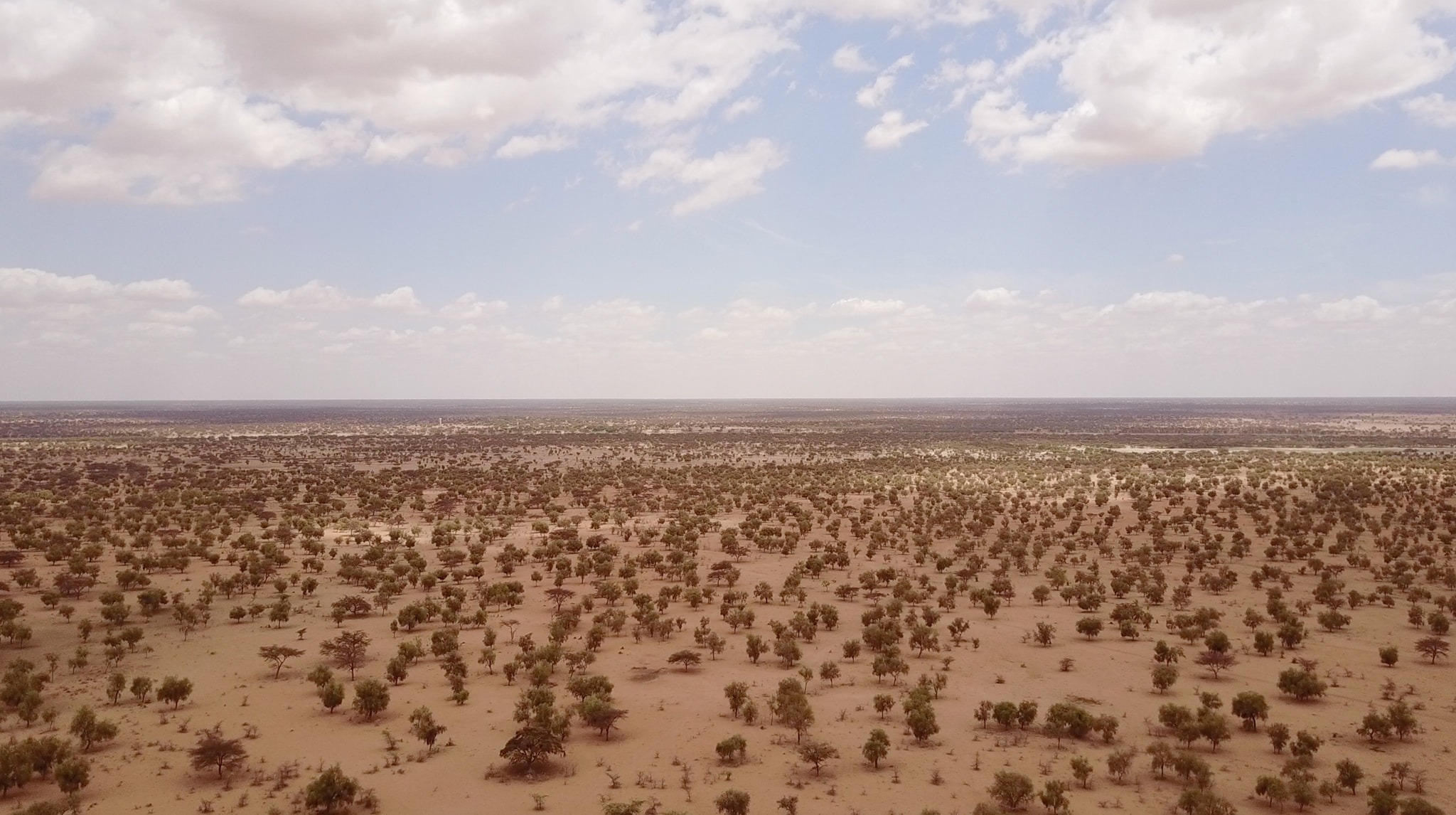
Photo by Great Green Wall via Facebook
Newz.Africa, Africa Desk |16 April 2026 |Sahara desert, Africa | Great Green Wall
A LinkedIn post by Dr Janine Ambrose describes the Great Green Wall as “one of the most ambitious environmental efforts ever undertaken” and says it brings together more than 20 countries along the southern edge of the Sahara Desert. The post presents the initiative as a response to desertification, food insecurity and wider environmental pressure across the Sahel.
What’s Happening
Official African Union and Great Green Wall material says the initiative was launched in 2007 to combat desertification and land degradation in the Sahel and Sahara regions. The programme was first conceived as a narrow belt of trees, but it has since evolved into a broader land restoration and sustainable development effort.
The current framework describes the Great Green Wall as a continent-wide restoration strategy that supports agriculture, pastoralism and forest recovery while improving livelihoods in affected communities. The African Union’s implementation brief says the work now extends across a wider group of African countries, with new strategy planning in place for 2024 to 2034.
The initiative’s own material says the project is designed to restore degraded landscapes, strengthen food security, create jobs and improve resilience in communities across the Sahel. The Great Green Wall website says it is “an African-led movement” with an ambition to grow an 8,000km natural wonder across the width of Africa.
Dr Ambrose’s post also says the project is “not just about planting trees” and frames it as a shared effort to rebuild ecosystems, strengthen soil and conserve water. That reading aligns with official programme material, which now places ecosystem restoration and livelihoods resilience at the centre of the initiative.
The project’s monitoring material says the Great Green Wall aims to restore 100 million hectares of land, create 10 million jobs and help sequester 250 million tonnes of carbon dioxide equivalent. It also says the initiative is supported by a digital observatory intended to track funding, delivery and results.
Newz.Africa Analysis
The Great Green Wall remains one of Africa’s most visible land restoration programmes because it links environmental recovery with livelihoods, climate resilience and regional cooperation. The scale of the initiative matters because the official strategy now treats land degradation as a development issue rather than a standalone environmental problem.
The updated 2024 to 2034 framework suggests a shift from symbolism to delivery. Official documents now focus on implementation, coordination and monitoring, which points to a more structured push to track progress across institutions and countries. That makes the initiative relevant not only as a climate effort, but also as a policy and governance project.
For readers, the significance lies in the way the Great Green Wall combines restoration, food systems and employment in one continental programme.
Financing and coordination remain central to the programme’s delivery outlook. The scale of restoring degraded land across multiple countries requires sustained funding flows, alignment between national governments and regional bodies, and consistent project tracking. Official programme structures such as the Great Green Wall Observatory indicate a move towards more transparent monitoring, which may improve accountability and allow stakeholders to assess whether targets are being met over tim
Implementation outcomes are likely to vary across regions due to differences in governance capacity, climate conditions and land use pressures. In practical terms, this means progress may depend on how effectively countries integrate restoration efforts into local agricultural systems and community-led initiatives. The programme’s emphasis on livelihoods suggests that long-term success will be measured not only by hectares restored, but also by income stability, food access and local participation
The Great Green Wall continues to evolve from a symbolic environmental concept into a structured development programme with measurable targets and institutional backing. While public commentary reflects growing awareness of its ambition, its long-term impact will depend on delivery at country level, sustained financing and the ability to translate continental strategy into local results.
Original Reporting
Based on the material supplied, this is a working rewrite built from a LinkedIn post and official Great Green Wall and AU material.
About the Author