
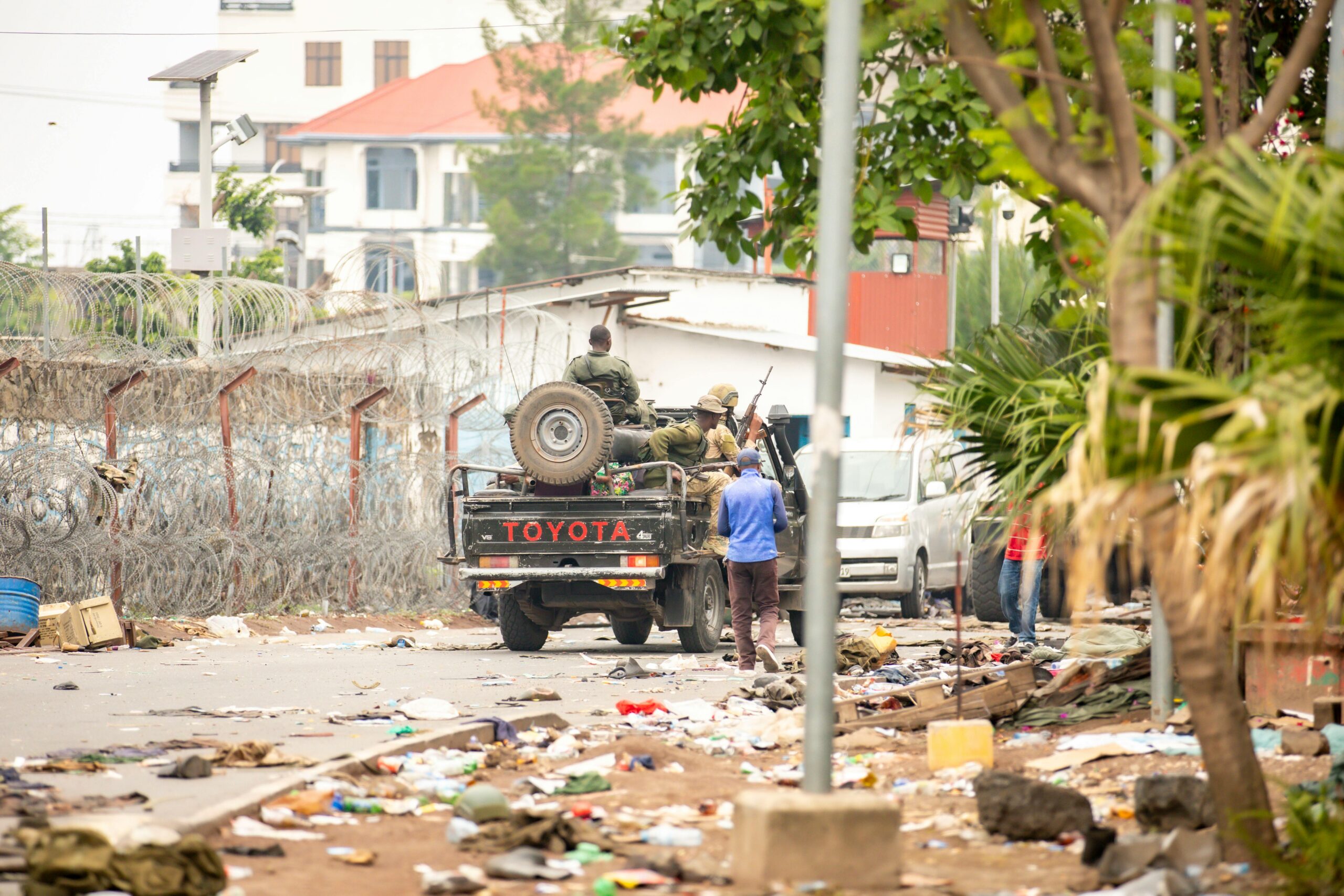
Photo by Safi Erneste via Pexels
Newz.Africa | Africa Desk | 13 April 2026 | Yobe, Nigeria | Yobe airstrike casualties
According to Africanews dozens of people were killed in airstrikes in Yobe state in north‑east Nigeria on Saturday, according to local community accounts and a rights organisation. Reported casualty figures vary. Some sources cite more than 100 dead and 35 seriously wounded. Others report up to 200 dead and wounded. The strikes occurred during military operations against armed groups in the region. Consequently, calls have been made for an independent inquiry.
What’s Happening
- When: The airstrikes took place on Saturday; reporting and statements emerged on Sunday.
- Where: The strikes were reported in parts of Yobe state, in north‑east Nigeria.
- Casualty estimates: A rights organisation reported “more than 100 dead” and 35 seriously wounded. However, a local chief and residents gave higher figures, saying around 200 dead and wounded. Authorities had not published a detailed, attributable casualty list at the time of these reports.
- Official response: Nigeria’s military had not issued a detailed public statement confirming civilian casualties in the affected market area by the time of the initial reports. Some government statements referenced operations against militants. They did not provide matching casualty breakdowns.
Newz.Africa Analysis
The differing casualty figures and the absence of a fully attributable official account create immediate verification and humanitarian challenges. If independent verification confirms large numbers of civilian deaths, the incident would represent a major escalation in civilian harm from air operations in a region already affected by long‑running insurgency. The implications fall into three interlinked areas: humanitarian impact, operational accountability, and information integrity.
The Guardian Nigeria News reported that large civilian casualties in a market or other populated area typically produce immediate spikes in medical need, displacement and protection concerns. Local hospitals and clinics may be overwhelmed. In these situations, emergency referrals to larger facilities will be required. Humanitarian actors will need clear access to assess needs, treat the wounded and document casualties. Delays in verification and restricted access can worsen outcomes for survivors and impede the delivery of aid.
Operational accountability
Air operations in counterinsurgency settings carry a high risk of mistaken targeting when militants operate near civilian concentrations. Consequently, independent, transparent investigations are necessary to determine whether the strikes complied with the principles of distinction and proportionality under applicable rules of engagement. Such investigations should examine mission planning, target identification, weapons used, and post‑strike assessments. Absent credible official reporting, conflicting narratives from rights groups and local leaders will persist and undermine public confidence in security operations.
The variation in reported figures highlights the need for primary artefacts: hospital records, morgue logs, official operational statements, and on‑record statements from local authorities. Verification must rely on these primary documents rather than secondary summaries. For journalists and humanitarian monitors, the priority is to obtain and archive named documents and attributable statements that can be independently examined. Moreover, timely release of such artefacts by authorities and health facilities would reduce uncertainty and enable a proportionate humanitarian response.
Original Reporting
Artefacts reviewed: Amnesty International statement and local community accounts reported in contemporaneous coverage. The Guardian Nigeria News, Africanews.
About the Author


