
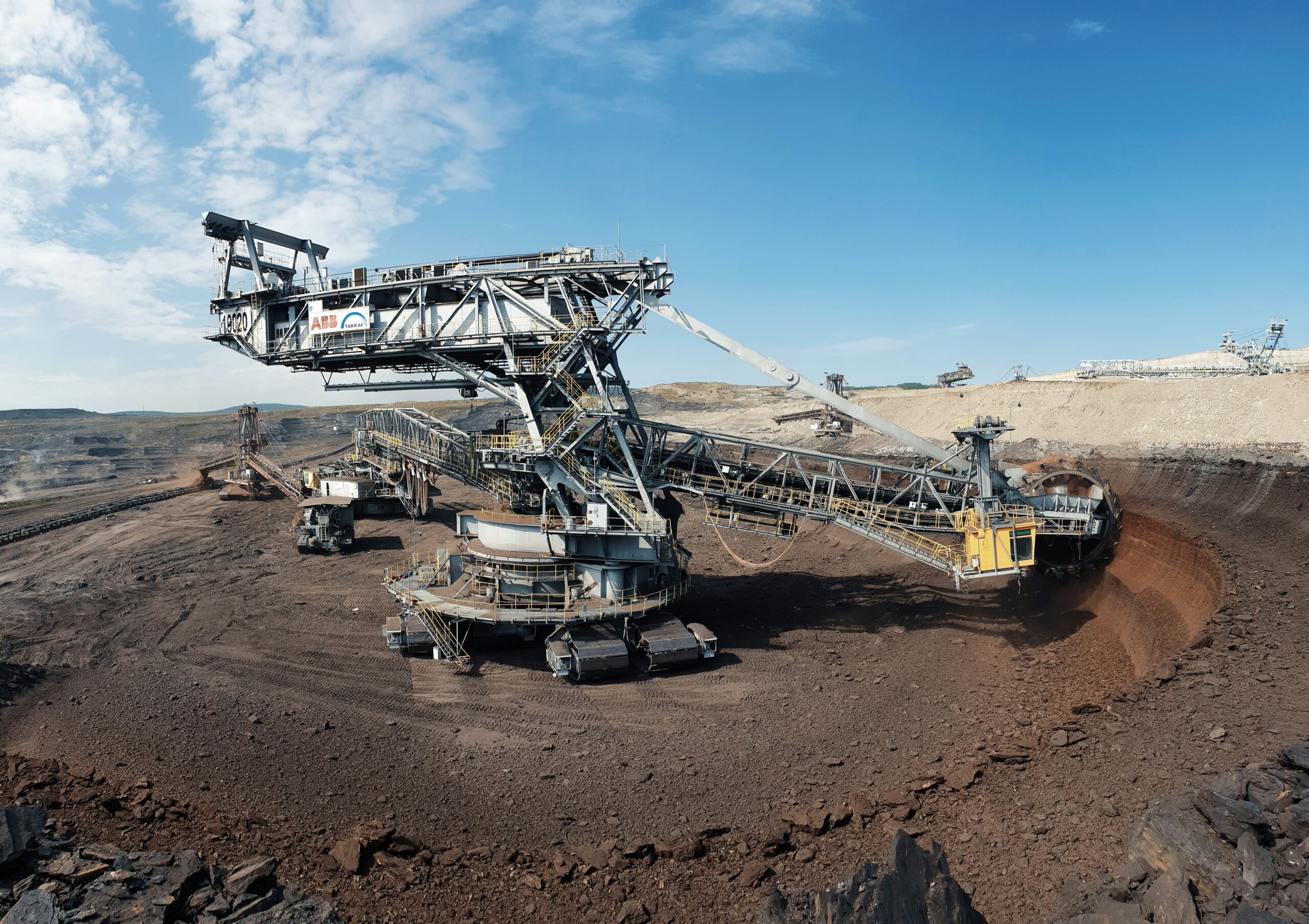
Photo by @alberthyseni
By Newz.Africa, Business Desk |09 April 2026 |Kenya |Africa trade minerals
Kenya has formally gazetted a tender for the mineral‑rich Mrima Hill in Kwale County, requiring that all rare earths and niobium extracted be processed within the country. The Ministry of Mining, Blue Economy and Maritime Affairs announced the tender on 24 March 2026, setting a closing date of 21 April 2026. The move signals a deliberate policy shift towards retaining more value from Africa’s mineral resources. At the same time, the African Continental Free Trade Area (AfCFTA) Secretariat’s latest report shows intra‑African trade remains at just 15%, underscoring the urgency of regional integration.
What’s Happening
The tender notice, published in the Government Gazette, outlines the terms for the Mrima Hill Niobium, Rare Earth Elements and Other Minerals Development Project. The Ministry confirmed that beneficiation on Kenyan soil is mandatory. Cabinet Secretary Hassan Ali Joho stated: “In‑country processing is a non‑negotiable condition of any award.”
Expressions of interest have already been received from more than ten companies, including bidders from the United States, China and Australia. Mrima Hill has long been considered one of Kenya’s most strategic mineral sites, with deposits of niobium and rare earths critical to global technology supply chains.
The AfCFTA Secretariat’s 2024–2025 Implementation Report, released in Addis Ababa, confirms that intra‑African trade remains at 15% of total trade. The report highlights that tariff reductions have been implemented unevenly, and non‑tariff barriers continue to restrict cross‑border flows. The Secretariat urged member states to accelerate harmonisation measures to unlock the full potential of the agreement.
Newz.Africa Analysis
Kenya’s requirement for local processing sets a precedent for value chain ownership in Africa’s mineral sector. By insisting that beneficiation occurs domestically, the government is signalling a move towards capturing more of the wealth generated from its resources. This approach could help African economies increase their contribution to global GDP, which currently stands at less than 3%.
The implications are significant. Africa holds 30% of the world’s critical minerals, yet much of this wealth leaves the continent in raw form. Policies like Kenya’s could change that dynamic, ensuring that jobs, technology transfer and industrial growth occur within African borders.
The risks, however, are clear. Without coordinated regional strategy, African countries may still compete against each other by offering lower royalties or looser terms to attract investment. Such competition undermines collective bargaining power and leaves external players as the main beneficiaries. The AfCFTA report underscores this challenge, noting that fragmented policies continue to weaken Africa’s position in global trade negotiations.
The next steps will be crucial. AfCFTA implementation must accelerate to expand intra‑African trade beyond its current 15%. Domestic capital markets also need strengthening to reduce reliance on foreign financing, which often comes with restrictive conditions. Kenya’s Mrima Hill tender provides a test case for how beneficiation policies can be enforced, and whether they can be replicated across the continent. If successful, it could set a precedent for other African nations to follow, shifting the balance of trade towards greater value retention.
Value Chain Ownership
Kenya’s requirement for local processing at Mrima Hill sets a precedent for value chain ownership in Africa’s mineral sector. By insisting that beneficiation occurs domestically, the government is signalling a move towards capturing more of the wealth generated from its resources. This approach could help African economies increase their contribution to global GDP, which currently stands at less than 3%. With Africa holding 30% of the world’s critical minerals, policies like Kenya’s could change the dynamic, ensuring that jobs, technology transfer and industrial growth occur within African borders.
Risks and Next Steps
The risks, however, are clear. Without coordinated regional strategy, African countries may still compete against each other by offering lower royalties or looser terms to attract investment, undermining collective bargaining power. The AfCFTA report underscores this challenge, noting that fragmented policies continue to weaken Africa’s position in global trade negotiations. The next steps will be crucial: AfCFTA implementation must accelerate to expand intra‑African trade beyond its current 15%, and domestic capital markets need strengthening to reduce reliance on foreign financing. Kenya’s Mrima Hill tender provides a test case for how beneficiation policies can be enforced, and whether they can be replicated across the continent.
Original Reporting
Newz.Africa reviewed the official Mrima Hill tender notice issued by Kenya’s Ministry of Mining, Blue Economy and Maritime Affairs (Gazette 24 March 2026) and the AfCFTA 2024–2025 Implementation Report. Comment was requested from the AfCFTA Secretariat and the African Union Commission; no response was received before publication.
About the Author