
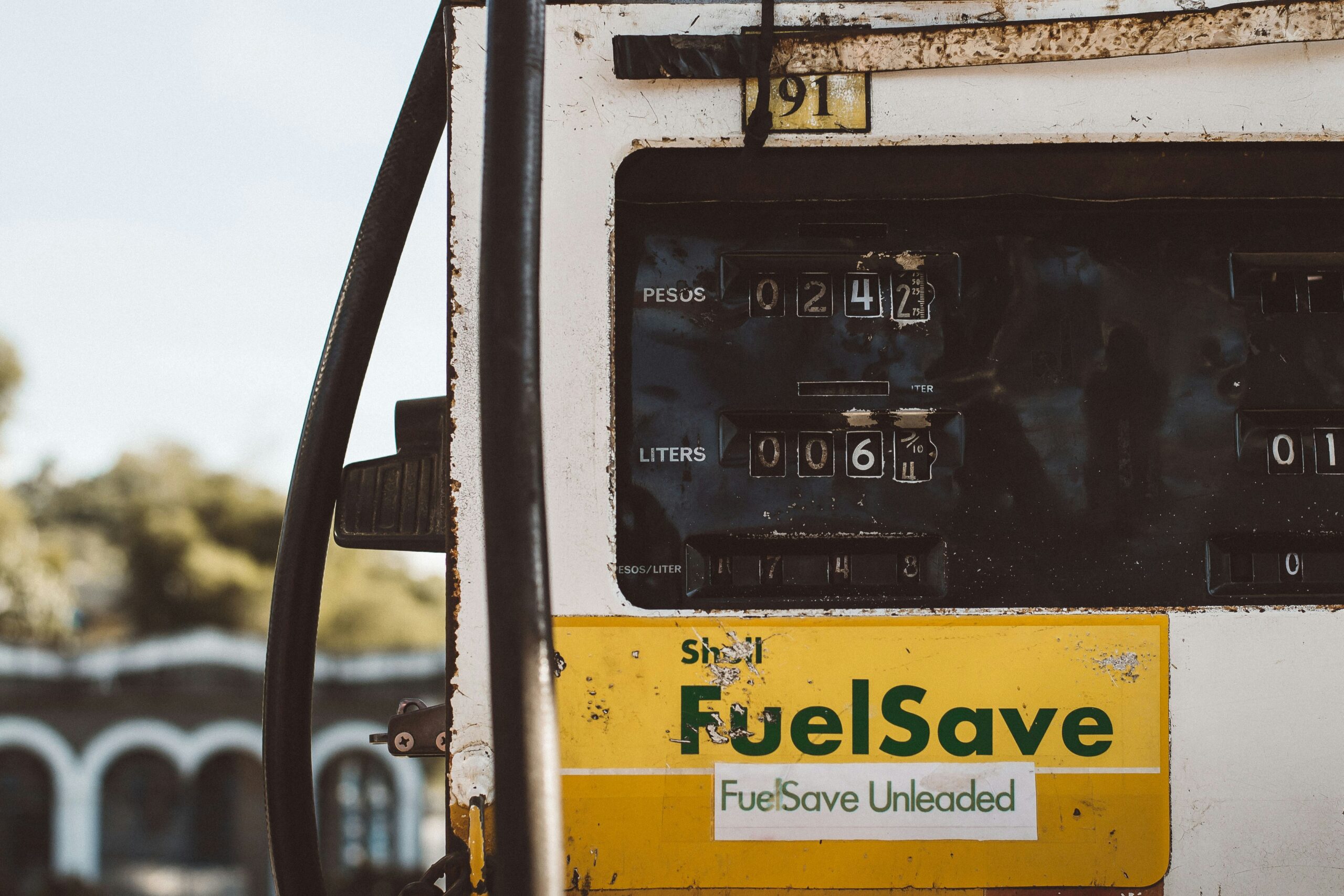
Photo by @gabpili via unsplash
By Newz.Africa, Business Desk |08 April 2026 |Windhoek, Namibia | Namibia fuel scare
Namibia’s Ministry of Mines and Energy confirmed a fuel price increase, sparking queues at service stations across Windhoek and other towns. The ministry later issued a warning to retailers after reports that some outlets had restricted supply. The intervention matters now as it highlights vulnerabilities in public confidence and regulatory oversight during periods of global energy uncertainty.
What’s Happening
The Ministry of Mines and Energy released an official statement announcing adjustments to fuel prices, citing international market pressures. The ministry confirmed that petrol and diesel prices would rise from midnight.
By mid‑morning, service stations in Windhoek and surrounding areas experienced long queues, with some forecourts temporarily closed. Consumers reported waiting hours to fill vehicles and containers.
Later that day, the ministry cautioned retailers against withholding fuel in anticipation of the increase. “Fuel retail is an essential service. Any deliberate restriction of supply undermines public trust and will be subject to monitoring and penalties,” the statement read.
Authorities emphasised that Namibia’s reserves were sufficient and that distribution routes remained operational. The ministry urged consumers to avoid panic buying, noting that excessive demand could strain logistics and create artificial shortages.
The ministry also confirmed that inspectors would monitor service stations to ensure compliance. “We will not hesitate to act against operators who exploit the situation,” the statement added.
Newz.Africa Analysis
The incident illustrates how quickly uncertainty can escalate into visible disruption. Two factors converged: the confirmed price increase and circulating rumours of broader shortages linked to global tensions. Despite official assurances, public behaviour reflected mistrust, with queues and container‑filling amplifying pressure on the supply chain.
Regulatory implications
For regulators, the episode underscores the importance of enforcement. Warnings alone are insufficient if retailers perceive profit opportunities in withholding supply. Monitoring mechanisms and penalties must be credible to deter opportunism. The ministry’s decision to deploy inspectors signals recognition that oversight must be visible and immediate.
Public behaviour and trust
For the public, the lesson is that consumption patterns directly influence stability. Panic buying validates fears and creates temporary scarcity. In an era of instant messaging, rumours can outpace official communication, making transparency and rapid updates essential. The ministry’s statement was clear, but its timing relative to the surge in queues suggests that communication must be proactive rather than reactive.
Regional context
Regionally, Namibia’s experience mirrors vulnerabilities across Southern Africa. South Africa’s fuel price adjustments often trigger anxiety, though regulatory oversight has limited hoarding. Zimbabwe’s past shortages illustrate how panic buying and speculative selling can entrench distortions in the market. Without firm regulation and public trust, temporary shocks risk becoming systemic.
Energy security and future risks
Looking ahead, Namibia’s emerging oil and gas sector places energy security at the centre of policy. Local production, if managed transparently, could reduce exposure to external shocks. However, domestic supply alone will not guarantee stability. Trust, regulation, and communication remain decisive factors.
The broader implication is clear: energy security is not only about reserves but about governance. Transparent updates on national stock levels, contingency planning, and clear communication channels can strengthen resilience. As Namibia moves towards becoming an oil‑producing nation, these governance lessons are as critical as the physical infrastructure.
Risks and next steps
The immediate risk is that similar episodes could recur whenever global tensions or market shifts trigger price adjustments. To mitigate this, authorities may need to publish regular reserve updates, establish clear penalties for non‑compliance, and expand communication channels beyond formal press releases.
For consumers, the next step is recognising that responsible consumption is a civic duty. Panic buying not only strains supply chains but also undermines confidence in the system. Public trust will depend on consistent, transparent communication from government and visible enforcement against opportunism.
Original Reporting
Newz.Africa reviewed the Ministry of Mines and Energy’s official statement confirming the fuel price increase and subsequent warning to retailers. Requests for comment were sent to the ministry regarding monitoring measures. No further response was received by publication time.
About the Author