
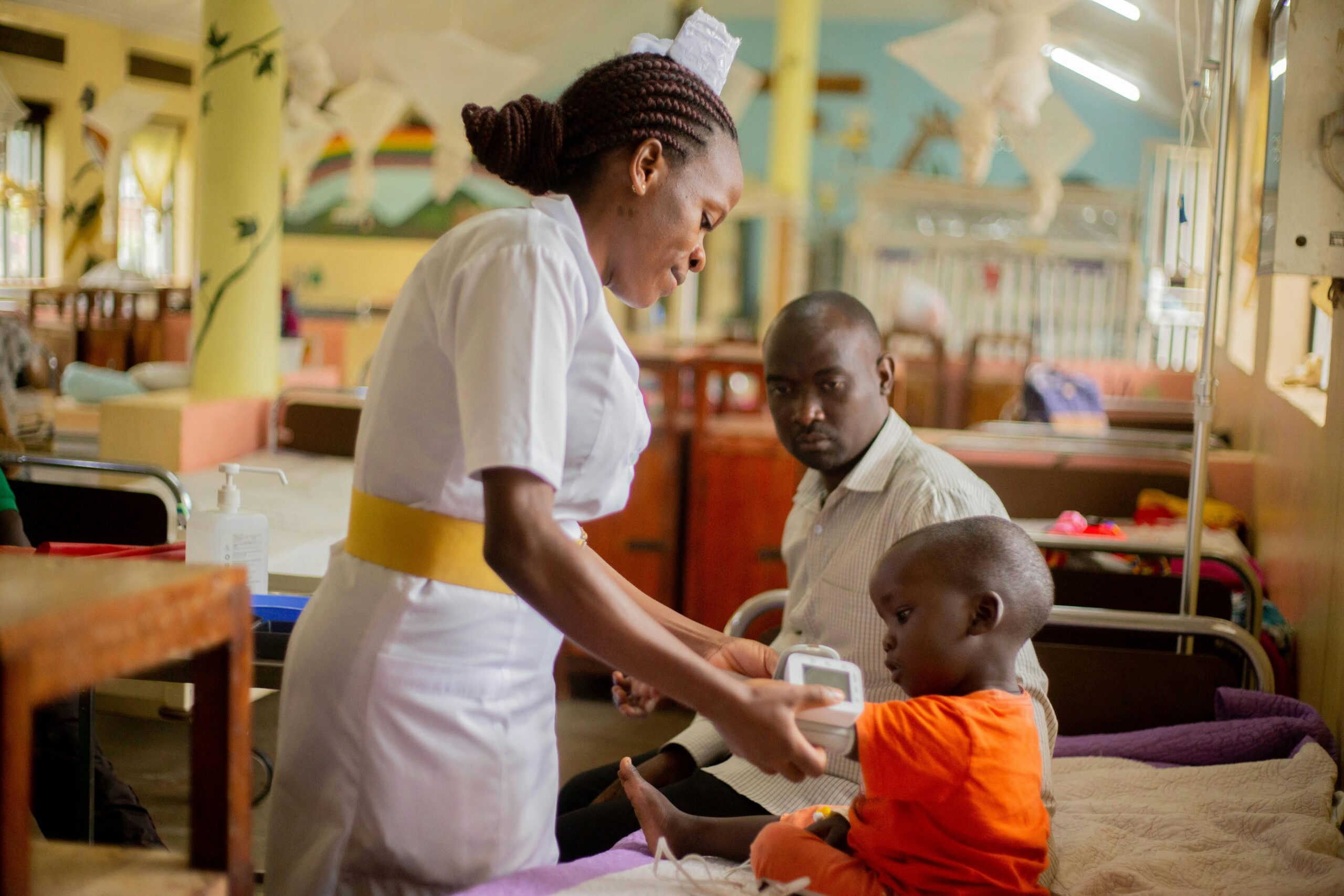
Photo by Speak Media Uganda via Pexels
By Newz.Africa, Africa Desk | 7 April 2026 |Zanzibar | Africa NCD surveillance
Africa CDC has launched the SPARK–NCD Programme in Zanzibar, a continental initiative to strengthen surveillance and integrated care for non‑communicable diseases. The programme responds to the growing public health challenge of hypertension, diabetes, cancers, and chronic respiratory conditions. Notably, these diseases are driving nearly two million premature deaths annually across Africa.
What’s Happening
The Strengthening Public Health Surveillance and Resilient Knowledge for Non‑Communicable Diseases in Africa (SPARK–NCD) Programme was formally introduced on 30 March 2026. Furthermore, the launch happened in collaboration with African Union Member States and partners.
Delivered through existing national platforms, including the Field Epidemiology Training Programme (FETP) Frontline, the initiative embeds NCD intelligence within health systems already in operation. This approach builds capacity from within. Consequently, there is no need to create parallel structures.
Officiating the launch, H.E. Hemed Suleiman Abdulla, Second Vice President of Zanzibar, speaking on behalf of H.E. Dr Hussein Ali Mwinyi, President of Zanzibar and Chairman of the Revolutionary Council, described the initiative as a turning point for Africa’s health systems. Additionally, he emphasised that integration of NCD care is no longer a question of “if” but of “how quickly and effectively” it can be achieved.
Africa CDC Acting Deputy Director General Dr Raji Tajudeen stated that SPARK–NCD represents a strategic investment in public health architecture. He noted that the programme will help countries move from fragmented data to actionable intelligence. Moreover, it will help them move from isolated programmes to integrated, people‑centred care.
The launch followed a high‑level policy dialogue drawing on more than a decade of research from Tanzania and Uganda. Evidence presented demonstrated that integrating HIV and NCD services is safe, equitable, cost‑effective, and improves access without compromising HIV outcomes. Community‑based models were shown to achieve comparable clinical outcomes while reducing costs and easing pressure on health facilities.
SPARK–NCD aligns with the African Union Common Position on Multisectoral Engagement, Coordination and Action for NCDs, injuries, and mental health. It also reinforces a whole‑of‑government and whole‑of‑society approach to prevention, surveillance, and care.
Newz.Africa Analysis
Africa is undergoing a profound epidemiological transition. As life expectancy rises and infectious disease control improves, NCDs have emerged as a defining public health challenge. Cardiovascular diseases, diabetes, cancers, chronic respiratory conditions, and mental health disorders are increasingly affecting people in their most productive years. As a result, these conditions contribute to premature mortality, disability, and economic strain.
Surveillance systems for NCDs remain fragmented in many countries, limiting governments’ ability to detect, monitor, and respond effectively. SPARK–NCD seeks to address this gap by embedding NCD intelligence within national systems. In addition, it strengthens workforce capacity and institutionalises integrated care.
The programme builds on lessons from Africa’s HIV response, where vertical programmes reshaped health systems over three decades. Evidence now shows that combining HIV and NCD care under one roof is feasible and effective. This approach offers a pathway to more resilient, data‑driven, and people‑centred health systems.
The implications are significant:
- Countries can reduce costs and improve access by integrating services.
- Workforce models developed for HIV can be adapted for chronic disease care.
- Community‑based delivery can decongest facilities while maintaining clinical outcomes.
The next step will be how quickly Member States can operationalise the programme, embed surveillance, and scale integrated care models. The urgency is clear, with millions living undiagnosed or untreated for hypertension and diabetes, and health systems under sustained pressure.
South Africa, Uganda, Nigeria, and Kenya illustrate the scale of Africa’s NCD burden: hypertension affects nearly one in three South Africans. Uganda’s HIV–NCD integration pilots show strong outcomes. Nigeria has the highest diabetes prevalence in Africa. Kenya records up to 48,000 new cancer cases annually. These country‑level data sharpen the urgency behind Africa CDC’s SPARK–NCD initiative.
Africa’s epidemiological transition is visible across multiple countries, underscoring the need for integrated surveillance and care.
South Africa: Hypertension Burden
- Hypertension is a major public health challenge, with prevalence estimates ranging from 30–35% of adults.
- A 2026 Delphi study highlighted risk factors including obesity, high salt intake, and sedentary lifestyles. As a result, the study called for precision prevention strategies to reduce premature mortality and health system strain.
Uganda: HIV–NCD Integration Pilots
- Uganda has piloted integrated care clinics combining HIV, diabetes, and hypertension services.
- The INTE‑AFRICA trial demonstrated that integrated clinics achieved comparable clinical outcomes to vertical programmes. In addition, the trial reduced costs and improved patient retention.
- These findings validate Africa CDC’s emphasis on embedding NCD care within existing HIV platforms.
Nigeria: Diabetes Prevalence
- Nigeria has the highest number of adults with diabetes in Africa, with 3 million cases in 2024. This figure is projected to rise to 6.6 million by 2050.
- Age‑standardised prevalence is around 3–4%, but with high levels of undiagnosed disease, leaving millions untreated.
- This trend highlights the need for stronger surveillance and early detection systems. Kenya: Cancer Burden
- Kenya records 44,000–48,000 new cancer cases annually, with 32,000 deaths each year.
- Breast and cervical cancers dominate among women, while oesophageal and prostate cancers are leading causes among men.
- Despite diagnostic expansion, access remains uneven, and preventable risk factors such as tobacco and alcohol contribute significantly to incidence. The Star
Surveillance Systems: Continental Gaps
- Many African countries rely on WHO‘s STEPwise Approach to NCD Risk Factor Surveillance (STEPS), but coverage is uneven and under‑resourced.
- SPARK–NCD aims to unify these fragmented systems, embedding NCD intelligence into national health platforms to generate actionable data.
Implications
- Integration potential: Uganda’s pilots show that combining HIV and NCD care is feasible, cost‑effective, and scalable.
- Economic impact: Rising NCD prevalence in Nigeria and South Africa threatens household incomes and national productivity.
- Health system resilience: Kenya’s cancer burden demonstrates the need for expanded oncology capacity alongside prevention.
- Surveillance priority: Without robust data, governments cannot allocate resources effectively; SPARK–NCD addresses this structural gap.
Original Reporting
Original reporting: Newz.Africa reviewed the official Africa CDC press release issued on 30 March 2026 and statements delivered at the launch event in Zanzibar. Country‑level data were drawn from WHO technical documents, peer‑reviewed studies, and institutional datasets accessed in April 2026.
About the Author


