
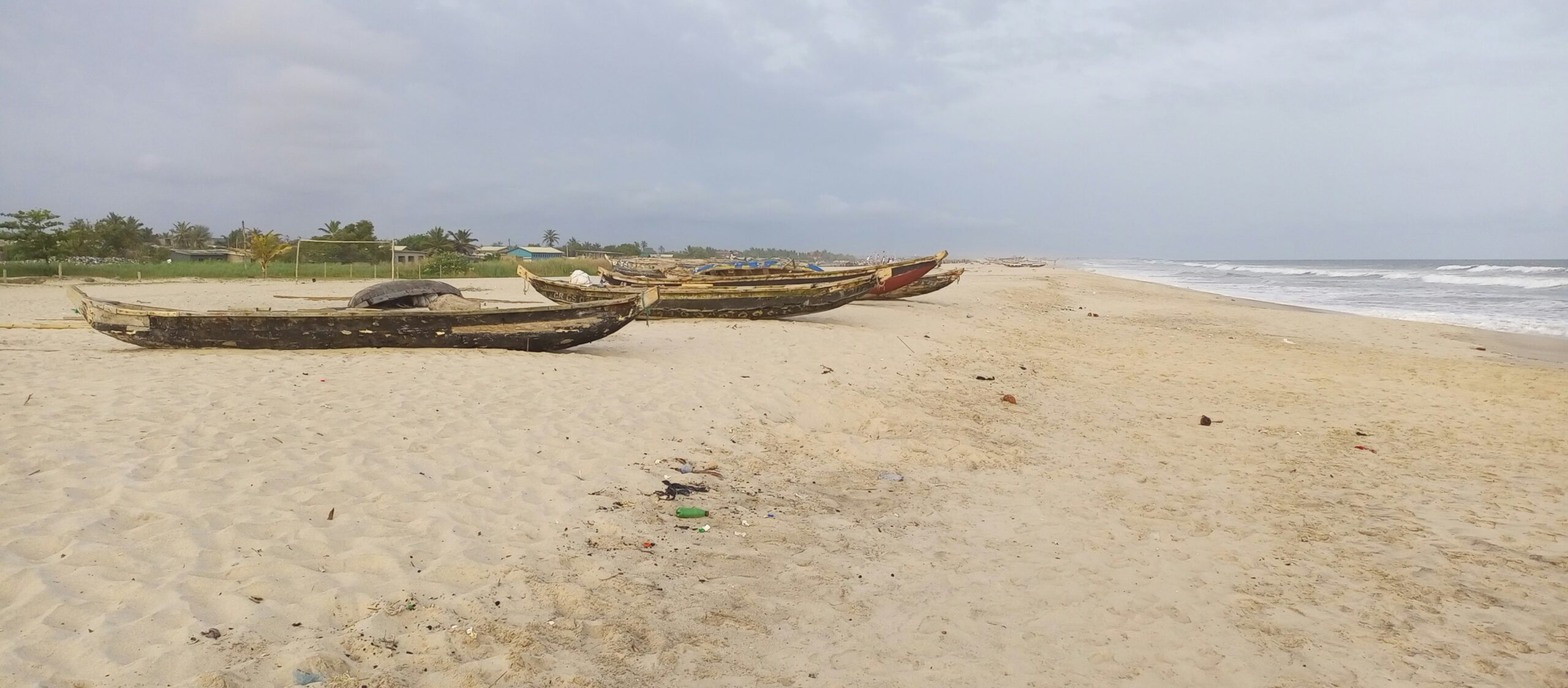
Photo by Bana Ahmed via Unsplash
By Newz.Africa,Africa Desk | 23 March 2026 | West Africa | World Bank funding
The World Bank has approved $240 million in financing for Benin and Mauritania to strengthen coastal resilience and expand ocean‑linked economic opportunities. The programme addresses erosion, flooding, and ecosystem loss. The first phase is expected to generate thousands of jobs while protecting vulnerable communities across West Africa’s shoreline.
What’s Happening
The financing forms part of the West Africa Coastal Areas Blue Economy and Resilience Programme (WACA+). This is a regional initiative designed to help countries adapt to rising sea levels and restore degraded ecosystems.
According to the World Bank, the first phase will:
- Restore up to 3,000 hectares of mangroves and wetlands, ecosystems that act as natural flood barriers and breeding grounds for fish.
- Reinforce coastal defences in priority areas, including dune systems and estuaries.
- Provide technical assistance and financing tools for micro, small, and medium‑sized businesses in coastal economies.
Newz.Africa Analysis

In Benin, support will focus on stabilising the Bouche du Roy estuary and the mouth of the Mono River. These areas are critical to tourism, agriculture and transport routes. In Mauritania, funding will reinforce dune systems that shield Nouakchott, the capital, from storm surges and flooding.
Officials project that the programme will reduce exposure to erosion and floods for more than 500,000 people. The first phase is expected to create approximately 13,000 jobs. Furthermore, training and business‑development programmes are set to reach more than 31,000 people by 2031.
The initiative also includes a partial credit guarantee mechanism in Mauritania, designed to unlock up to $20 million in new lending for fish‑processing companies. Importantly, this measure addresses one of the main barriers facing coastal entrepreneurs: access to finance.
World Bank Regional Director Chakib Jenane said the initiative is aimed at communities already experiencing the effects of climate change.
“West Africa’s coastal communities are on the frontlines of climate change,” he stated, noting that the programme would reduce exposure to erosion and floods for hundreds of thousands of residents.
The WACA+ programme represents a significant evolution in regional climate adaptation strategies, combining environmental protection with economic development. By linking coastal defence projects to job creation and private investment, the initiative aims to build resilience. It also seeks to stimulate growth in fisheries, aquaculture, ecotourism, and maritime services.
For Benin, stabilising estuaries is vital to safeguarding agricultural zones and transport corridors that underpin local economies. The Bouche du Roy estuary is also a tourism site, meaning its protection carries both ecological and economic importance.
In Mauritania, reinforcing dune systems is critical to protecting Nouakchott, where flooding risks threaten infrastructure, housing, and livelihoods. The city’s vulnerability to storm surges has been a longstanding concern. The new measures are expected to reduce exposure to climate‑related disasters.
The restoration of mangroves and wetlands is expected to deliver long‑term ecological benefits. These ecosystems serve as natural flood barriers, support biodiversity, and provide breeding grounds for fish stocks that sustain coastal livelihoods. Their rehabilitation is central to both environmental resilience and food security.
Improved access to finance for coastal businesses addresses structural barriers to economic participation. By unlocking lending for fish‑processing companies and supporting small enterprises, the programme aims to stimulate private investment in sectors that can drive sustainable growth.
Future phases of WACA+ are planned to extend to additional countries, with projections of more than 50,000 jobs supported across the region. The programme underscores the growing role of multilateral financing in addressing climate risks. At the same time, it enables sustainable economic transformation in West Africa’s coastal zones.
Original Reporting
Newz.Africa reviewed the World Bank’s official financing announcement and programme documentation. Figures and implementation details were drawn directly from institutional artefacts.
About the Author


