
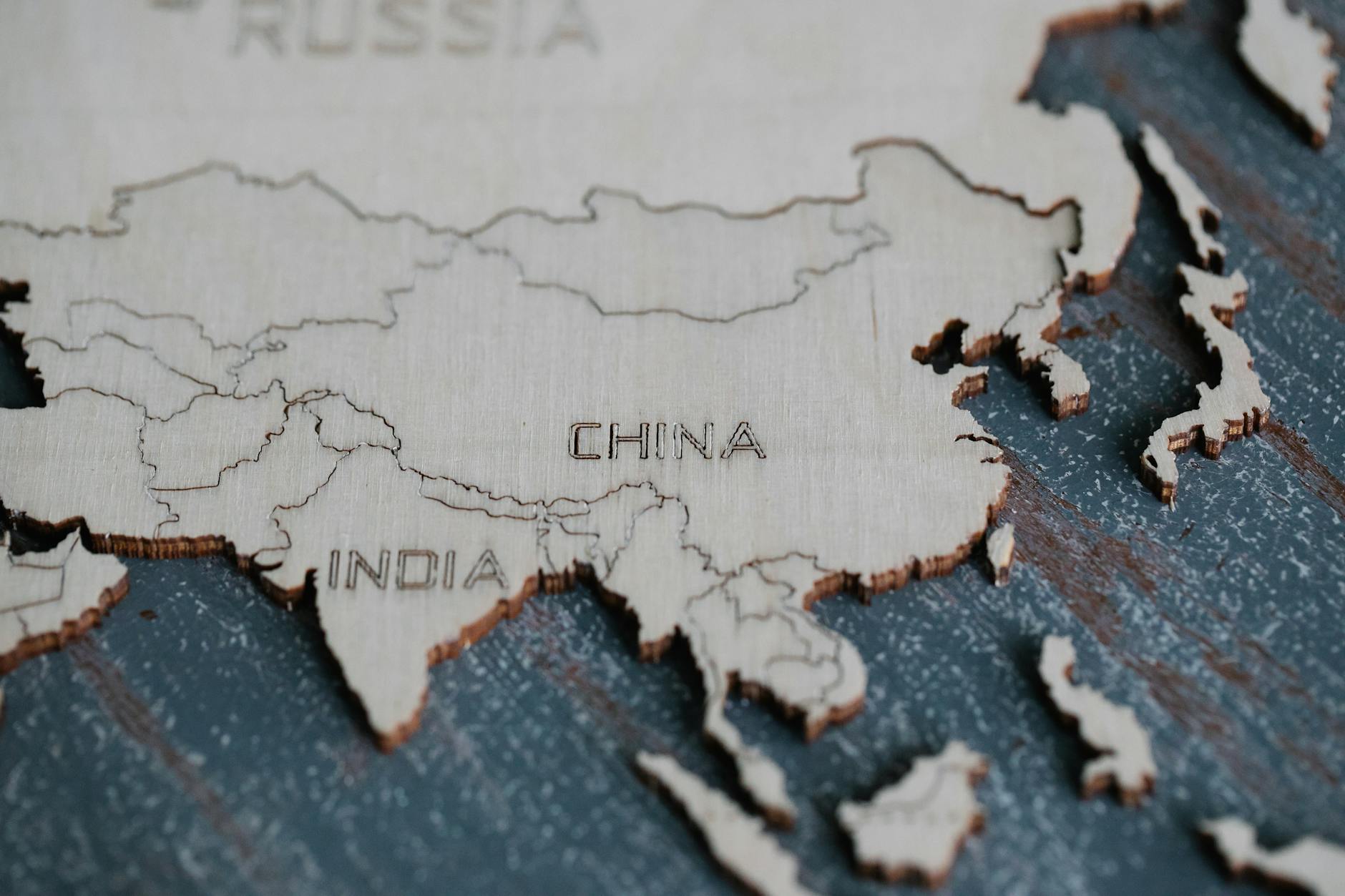
Photo by Lara Jameson via Pexels
By Newz.Africa World Desk | New Delhi, India | Published: 20 January 2026
The anchor of India Russia trade in a fragmented world is predictability. Both countries are trying to build reliable corridors, payment systems, and sector partnerships. These initiatives aim to withstand geopolitical shocks, sanctions regimes, and supply chain volatility. Recent fora like the Russia–India Business Forum. The St Petersburg International Economic Forum demonstrates the partnership as practical. It moves from dialogue to deal‑making. Officials and convenors say they aim to reduce friction in customs, logistics, and settlements. This is to keep trade flows steady.
India Russia trade has grown quickly since 2022, driven by energy but expanding into logistics, pharma, and digital solutions. Analysts and business platforms describe a push to codify processes that turn episodic deals into continuous cooperation. This includes matchmaking between firms, state regional delegations, and banks to speed decisions and reduce uncertainty across sectors.
Why India Russia Trade in a Fragmented World needs predictability
The global trade outlook shows slower growth and greater policy risk. UNCTAD warns that 2026 opens with pressure from fragmentation. There are higher tariffs and tighter regulation as well. All these factors reshape value chains. They demand more resilient regional links. Tariff increases in 2025, especially in manufacturing, signal a tougher environment for emerging markets. In this context, predictable India Russia trade frameworks are a defensive and strategic response.
Indian policy voices also emphasise flexibility over rigid alignments. Coverage in Indian business media highlights 2026 as a shift to an interest-based foreign and trade policy. Energy security and diversified partners are at the core of this policy. That stance underscores why India has balanced Western pressures by engaging with Russia. Meanwhile, it keeps ties with the United States and others. Predictability for Delhi means optionality.
What “predictable trade” looks like: payments, ports, and platforms
Predictable trade requires three building blocks. First, workable settlement systems that reduce the risk of sanctions disruption and currency swings. Second, tested logistics corridors that connect Indian ports with Russia’s Far East and Europe‑facing gateways. Third, repeatable B2B mechanisms that convert forum talk into contracts. Russian convenors highlight bilateral settlement options as core agenda items. They emphasize digital systems and streamlined customs in recent India Russia business dialogues.
Transport links and corridors are central. Policy reporting highlights efforts to deepen sea routes in the Russian Far East. Industry reporting explores the long‑floated Vladivostok to Chennai maritime corridor. The corridor concept reflects a hedge against chokepoints by spreading routes and compressing transit times for commodities and manufactured goods. This initiative is part of a broader attempt to reach a sustained trade level. The goal is to weather sanctions cycles and insurance restrictions.
The energy pivot and the search for balance
Energy has been the flywheel, but it also introduces volatility. Data‑driven reports late in 2025 showed Russian crude flows to India easing from earlier peaks as refiners diversified supply. Analysts noted a likely pickup in early 2026, potentially via intermediated channels. This suggests that energy will remain important. It will be more complex, which increases the value of predictable non‑energy trade. This trade helps smooth the cycle.
At the same time, India’s calculus links energy security to domestic inflation and fiscal stability. Commentary around India’s 2026 “playbook” stresses a pragmatic approach to Russian oil purchases despite external pressure. The principle is clear. Partnerships matter, but do not override domestic resilience. That principle is pushing both sides to formalise processes that de‑risk flows even when volumes shift.
Beyond oil: where India Russia Trade in a Fragmented World can expand
Business dialogues signal growth areas beyond hydrocarbons. These include pharmaceuticals, medical technology, agro‑processing, industrial equipment, transport services, and digital solutions such as AI‑enabled logistics. Forum organisers describe a format that includes banks, regulators, and regional governments. This ensures compliance and financing issues are resolved alongside commercial talks. This reduces leakages and shortens time to market.
Yet, the trade structure is still imbalanced. Indian reports show bilateral goods trade accelerating to the tens of billions. However, India’s deficit widened because energy imports outpaced exports. A predictable framework must therefore promote scalable Indian exports. Pharmaceuticals, automotive components, machinery, IT services, and agrifood are candidates to narrow the gap. Unlocking these sectors will require regulatory alignment and reliable shipping schedules.
Risks to predictability and how the partners are hedging
Three risks stand out. First, sanctions and secondary sanctions that complicate payments, insurance, and shipping. Second, tariff volatility and weak dispute settlement at the WTO. Third, domestic political calendars that can slow approvals. UNCTAD’s January 2026 update warns of rising protectionism and slower global trade growth. India and Russia are responding through regional diversification and new platforms that keep dialogue continuous, not episodic.
Business press analysis of India’s 2026 trade posture also flags a world of transactional geopolitics. In that world, resilience comes from having multiple routes and counterparties. For India Russia trade in a fragmented world, several strategies are necessary. These include building redundancy in corridors. It also involves maintaining several settlement options. Additionally, working with sub‑national regions can drive deals even when federal processes pause.
What to watch next
Watch for concrete movement on maritime and rail corridors. Pay attention to Far East routes that shorten supply lines for coal, fertilisers, timber, and machinery. Track any announcements on rupee‑linked or third‑currency settlement that reduce conversion risk. Expect sector‑specific MoUs in pharmaceuticals and logistics that turn forum matchmaking into stable orders. These steps would indicate that India Russia trade in a fragmented world is moving from opportunistic arbitrage to predictable frameworks.
Original Reporting
What we confirmed: Newz.Africa verified global trade headwinds and tariff trends using UNCTAD’s January 2026 update. We reviewed Info BRICS.
Primary artefact:
ET Edge Insights interview describes the plans of recent Russia India business platforms. They intend to build dependable trade flows and continuous
Also Read:
About the Author


