Photo by Pexels
By Newz.Africa, Business Desk | 16 March 2026 | Bamako, Mali | Mali gold revenue distribution
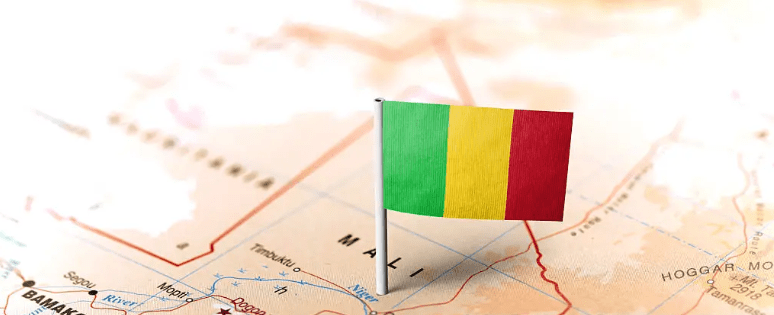
Mali has announced the distribution of $33 million in gold mining revenue directly to local communities, marking a significant shift in how the country manages its natural resources. The funds, channelled through the Local Mining Development Fund, are intended to support schools, hospitals, roads, and other infrastructure projects in municipalities where gold is mined.
What’s Happening
According to official announcements, Mali’s government has enacted a new mining code that ensures a portion of gold revenues is allocated directly to local communities. This latest distribution amounts to approximately CFA 18.4 billion ($33 million).
The initiative was overseen by Mali’s leadership, including General Assimi Goïta, and represents a departure from decades of resource management where profits largely flowed to foreign corporations, European banks, and offshore accounts.
The government has stated that the funds will be used to strengthen local development, with municipalities expected to invest in essential services such as education, healthcare, and infrastructure. This move is framed as part of Mali’s broader effort to reclaim sovereignty over its natural resources and ensure that wealth generated within the country benefits its citizens.
What Netizens Are Saying
Online reaction has been varied, with many expressing optimism about the potential impact of the new mining code. One user wrote:
“This is a brilliant initiative. Just as what is done in Qatar and urged oil rich nations with oil. Most families are paid for oil on the land. If Africa did the same with her resources the rate of poverty would fall drastically.” (@CurrencyForte7).
Others highlighted the significance of sovereignty, with @IbrahimOla22594 commenting: “At last, resources benefiting the people who actually live on the land. Sovereignty means wealth returning to the community, not disappearing into foreign accounts.”
Some voices were more sceptical, questioning whether the funds would truly reach citizens. Paulo Oliveira (@PauloOl48142247) remarked:
“🤣🤣🤣 really? How much of it will go to help peoples lives?”
There were also calls for similar reforms across Africa. @word_ofmouthh stated: “Great to see a nation helping the community.
UNITY IS POWER AND THIS SHOULD BE HAPPENING EVERYWHERE IN OUR CONTINENT. WELL DONE SIR!!!”
Newz.Africa Analysis
Mali’s decision to distribute gold revenues directly to local communities is a landmark in resource governance on the continent. For decades, African nations have struggled with the paradox of resource wealth failing to translate into local development. By enshrining revenue sharing in its mining code, Mali is attempting to break this cycle.
Implications
The implications are significant. If implemented transparently, the initiative could strengthen trust between citizens and the state, reduce poverty, and improve access to essential services. Schools, hospitals, and roads funded by mining revenues would represent tangible benefits for communities that have historically borne the environmental and social costs of extraction without seeing financial returns.
However, challenges remain. Transparency and accountability will be critical to ensure that funds are not lost to corruption or mismanagement. The sustainability of the initiative will also depend on global gold prices and Mali’s ability to maintain consistent revenue streams.
Regionally, Mali’s move could inspire similar reforms in other African nations. Countries such as Nigeria, Angola, and South Africa have long debated how to ensure resource wealth benefits citizens more directly. Mali’s example may provide a model for revenue distribution that prioritises local development over external profit.
Sovereignty
Sovereignty, in practice, is not only about political independence but also about economic self-determination. By redirecting gold revenues to local communities, Mali is demonstrating that sovereignty can be measured in tangible outcomes, schools built, hospitals funded, and roads maintained by the wealth of the land itself. This move signals a shift from external dependency to internal empowerment, where resource wealth is no longer an abstract national asset but a direct contributor to citizens’ daily lives.
In this sense, Mali’s initiative is a process of reclaiming agency, embedding sovereignty into development and setting a precedent for how African nations can align natural resource management with community prosperity.
In the long term, this initiative reflects a broader trend towards resource sovereignty in Africa. As nations seek to reclaim control over their natural wealth, policies like Mali’s could reshape the continent’s economic landscape, reducing dependency on foreign corporations and strengthening local economies.
About the Author