
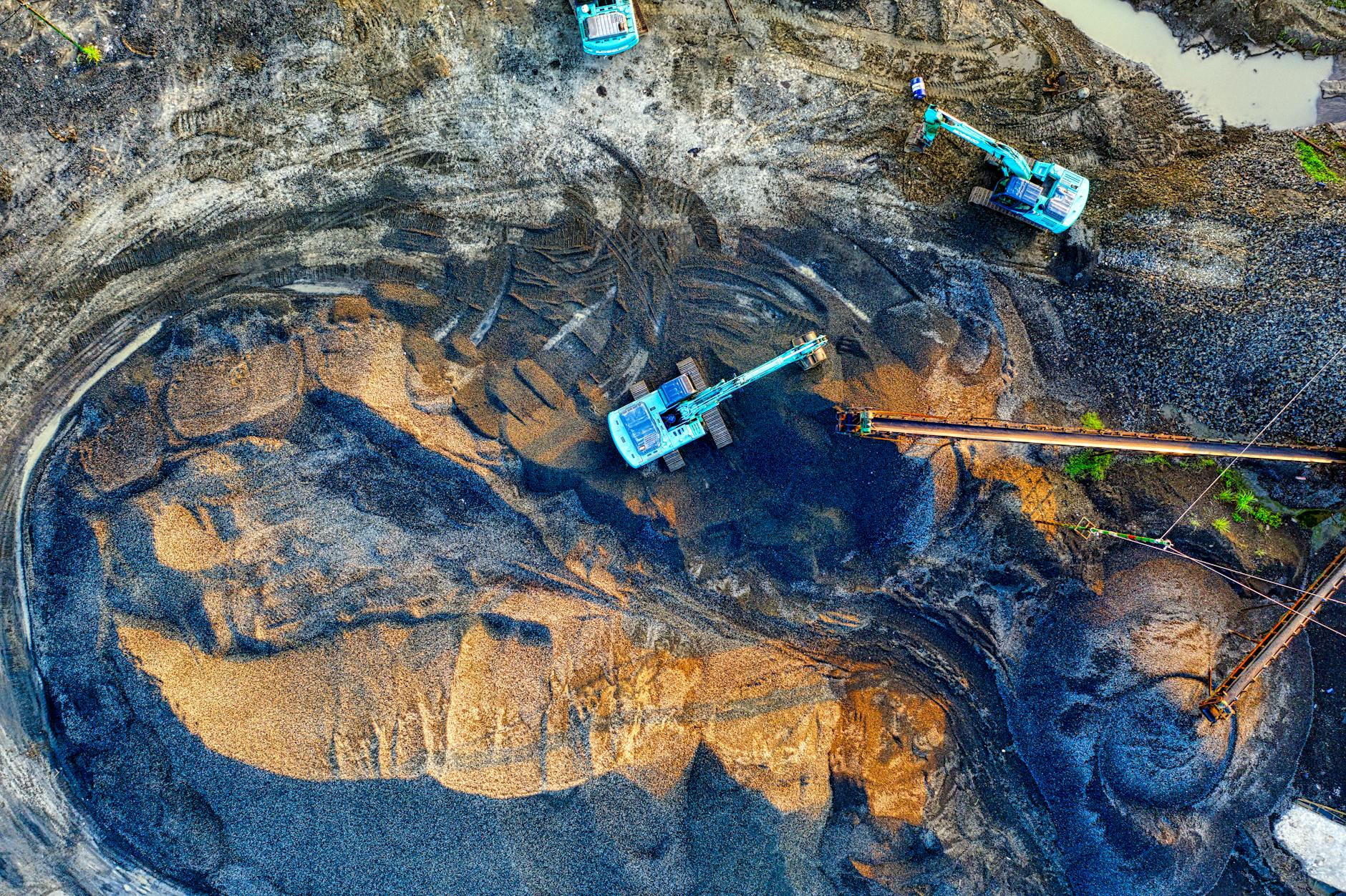
Photo by Tom Fisk via Pexels
By Newz.Africa Business Desk | Bamako, Mali | 22 January 2026 | Mali mining ministerial post.
Mali’s military-led government has established a new ministerial-level position to oversee the country’s mining sector. This move consolidates key decision-making powers within the presidency. It also reshapes governance of the gold industry.
The new role was created through a presidential decree signed on 19 January. It gives the presidency direct oversight of mining policy execution. It also enforces compliance across the sector.
Mali centralises control of mining industry
Legal documents defining the post assign the minister responsibility for supervising the implementation of mining policy. They also require monitoring adherence to the mining code. Additionally, the documents mandate reviewing reports submitted by licence holders.
The Ministry of Mines previously handled these functions. They are now coordinated under the new position. This change reflects a shift towards tighter central control of the sector.
A senior government official said major mining permits and contract negotiations will now be decided at the presidential level. The Ministry of Finance takes charge of tax issues. The Mines Ministry focuses on technical regulation.
Former Barrick executive appointed
Hilaire Bébien Diarra, an earth sciences specialist and former executive at Barrick Mining, has been appointed to the new role. Diarra joined the Malian government in 2025. During this time, he led negotiations for Barrick over the Loulo‑Gounkoto complex. This complex is Mali’s largest industrial gold operation. He was later named a special adviser to the presidency. This appointment occurred during a prolonged dispute. The dispute was between the state and the company over taxes. It also involved state participation in mining projects.
Industry observers say the appointment strengthens the government’s hand in ongoing discussions with foreign mining firms. Diarra was not immediately available for comment.
Mining reforms and economic impact in Mali
Mali ranks among Africa’s leading gold producers, with mining forming the backbone of public revenue.
The military government has pursued sweeping reforms since introducing a revised mining code in 2023. Authorities said in December that the reforms enabled the recovery of 761 billion CFA francs, equivalent to about $1.2 billion, in unpaid taxes and fees from mining companies.
However, the tougher legal framework has unsettled the industry and contributed to a prolonged standoff with Barrick. Provisional figures from the Mines Ministry indicate that industrial gold output declined by 23 percent in 2025. This decline highlights the economic costs of regulatory uncertainty.
Revenue goals versus investor confidence
National mining forums in Mali have repeatedly called for stronger institutional oversight. They seek to improve security, ensure environmental compliance, and enhance community engagement within the sector.
Government officials claim that mining oversight will improve with proximity to the presidency. This change will enhance coordination. It will also ensure greater returns for the state. Analysts caution that continued centralisation could weigh on investor confidence if disputes with major operators persist.
Mali is tightening state control over its most valuable resource sector. Balancing revenue generation with sustained production and investment remains a critical challenge.
Original reporting
What was confirmed
- Mali has created a new ministerial-level post to oversee the mining sector.
- Mining oversight is now consolidated under presidential authority.
Who was cited
- Malian government officials
- Reuters and Africanews reporting
Documents reviewed
Primary artefact
- Decree establishing the new mining oversight role.
Also Read:
About the Author