
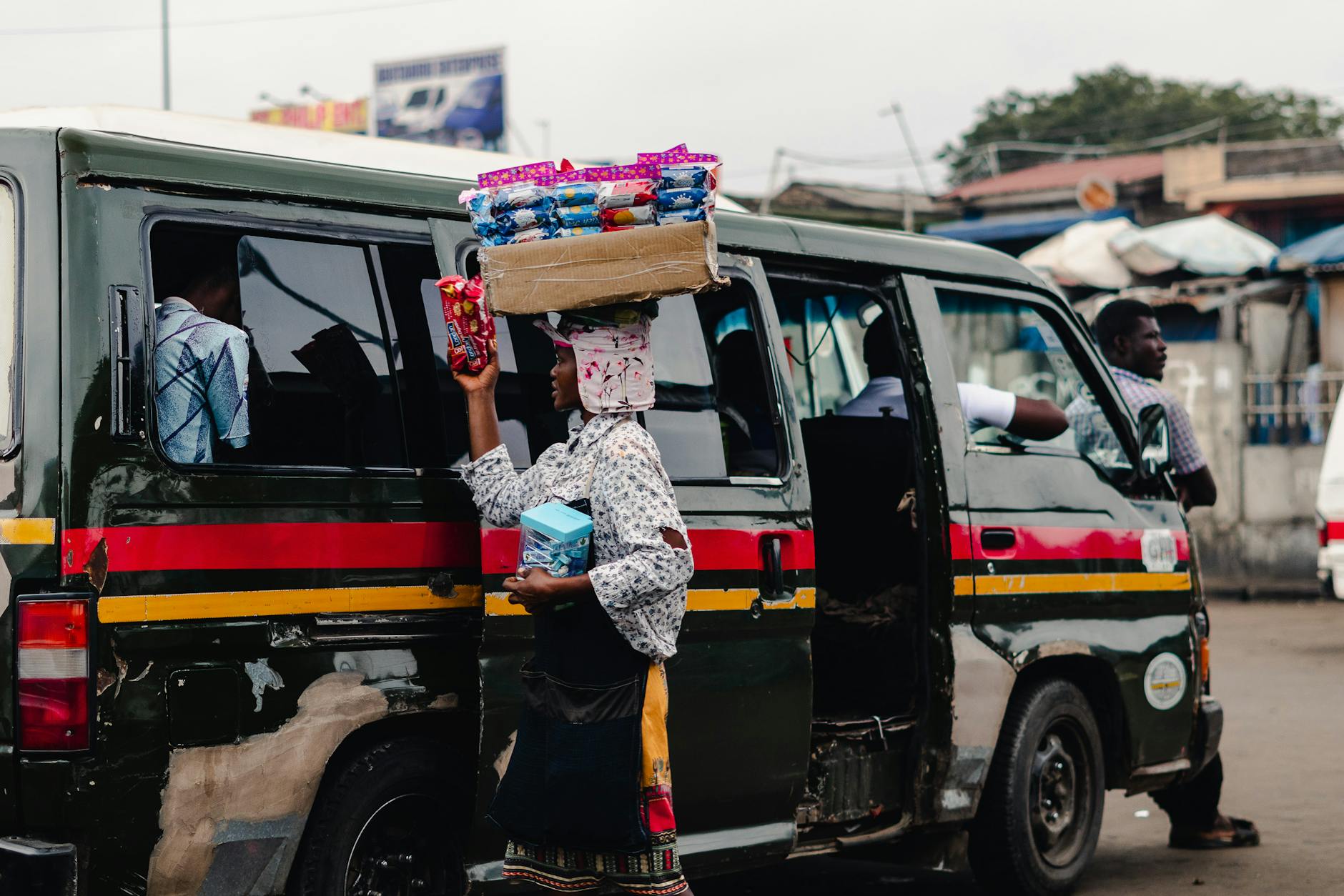
Photo by Carbell Sarfo via Pexels
By Newz.Africa, Africa Desk |Accra, Ghana | 22 January 2026 | Ghana multidimensional poverty rate.
Ghana has recorded a third consecutive quarterly decline in multidimensional poverty. New data has been released by the Ghana Statistical Service. These findings signal a sustained improvement in living conditions across the country. The national multidimensional poverty rate declined from 23.9 percent in the first quarter of 2025 to 21.9 percent by the third quarter, confirming a steady downward trend over the past year.
Ghana poverty decline confirmed in latest data
The multidimensional poverty index measures deprivation beyond income. It captures access to healthcare, education, and employment. It also considers living conditions like housing quality, sanitation, and clean water. According to the Ghana Statistical Service, the latest figures show that nearly one million people exited multidimensional poverty. This change happened within a year. More than 360,000 people exited poverty between the second and third quarters of 2025 alone.
Government Statistician Alhassan Iddrisu said the decline reflects gradual improvements in overall living standards. Yet, he warned that the underlying drivers of poverty remain largely unchanged.
Uneven progress across regions and communities
Despite national gains, the data shows that poverty reduction remains uneven.
Households headed by individuals with no formal education continue to face the highest levels of deprivation. Rural areas are significantly more exposed to poverty than urban centres. Regional disparities also persist. Ghana’s Northeast and Savannah Regions continue to report multidimensional poverty rates above 50 percent. This is more than double the national average. Meanwhile, Greater Accra and the Western Region maintained rates below 20 percent.
Health and living conditions remain key pressures
The report identifies health and living conditions as the largest contributors to multidimensional poverty in Ghana.
Limited health insurance coverage, inadequate sanitation, overcrowded housing, and poor nutrition are major sources of deprivation. They account for more than 70 percent of overall multidimensional poverty nationwide.
Poverty reduction gains face structural challenges
Officials caution that while recent progress is encouraging, structural challenges continue to limit long-term poverty reduction.
Employment insecurity, educational gaps and regional inequality remain persistent risks, particularly for vulnerable populations and rural communities. The report described the figures as a signal for targeted policy interventions rather than a resolution of poverty pressures.
Original reporting
What was confirmed
- Ghana’s multidimensional poverty rate declined for the third consecutive quarter.
- Nearly one million people moved out of multidimensional poverty within a year.
Sources
- Africanews: Ghana’s multidimensional poverty rate declines
- Ghana Statistical Service data reported by Africa Business Insight
- Business & Financial Times on regional disparities
Also Read:
About the Author


