
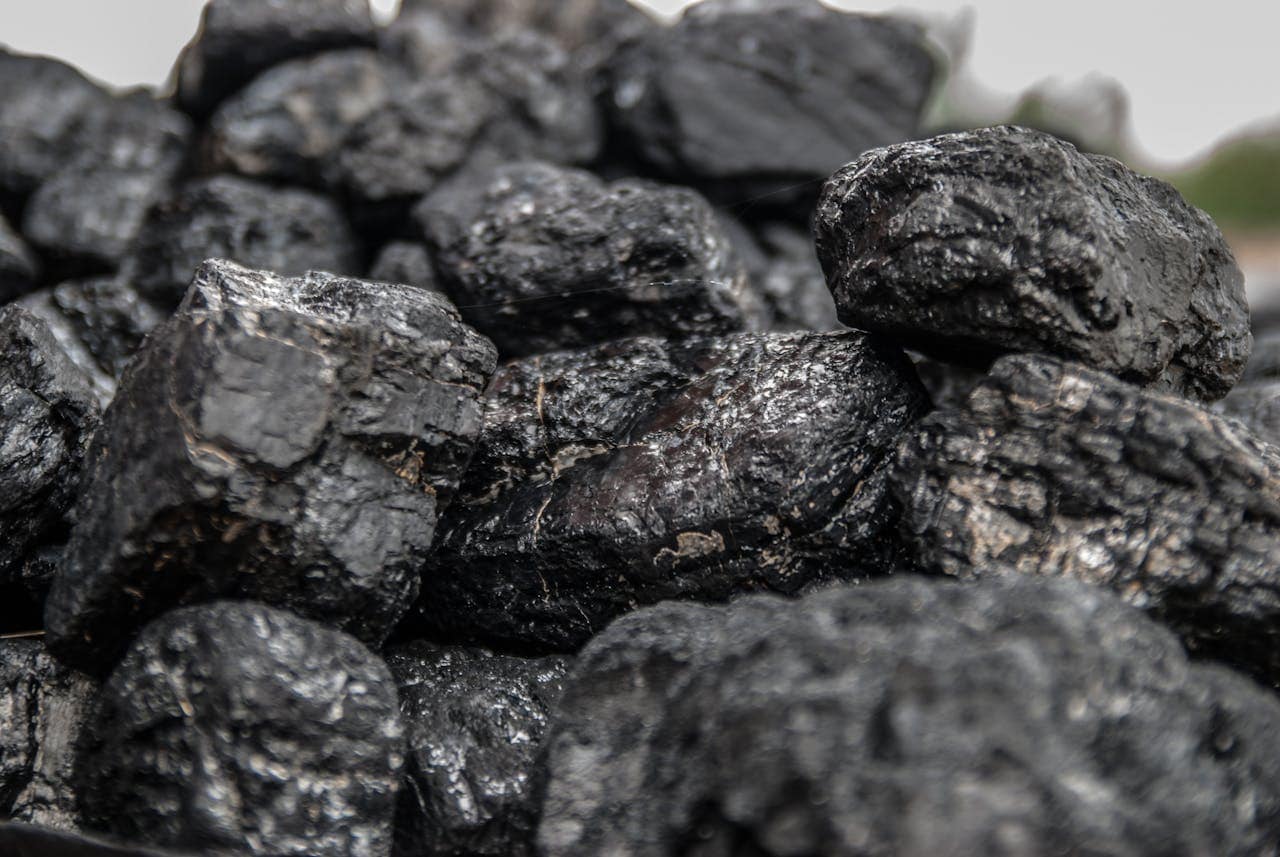
Photo by Pixabay via Pexels.
Nigeria and South Africa are preparing to scale up oil, gas, and coal production. Both countries have committed to cutting emissions under the Paris Agreement at the same time. Their new fossil fuel projects place them in a difficult position. Global pressure is intensifying for major economies to move toward cleaner energy. (Source: The Conversation)
Nigeria plans to expand crude oil output and increase gas exports as part of its national energy strategy. Officials describe gas as essential for economic growth and energy security. The approach supports local industries and aims to stabilise power supply. However, it increases long term emissions. This happens at a time when the country has pledged to reach net zero by 2060.
South Africa is doubling down on coal while exploring offshore gas to reduce load shedding and stabilise the grid. Coal fuels most of the national electricity system and remains politically sensitive. New gas projects are expected to support industrial users and heavy transport. South Africa has committed to reducing emissions, yet the latest investments signal a slower transition away from fossil fuels.
Analysts warn that expanding oil, gas and coal capacity could weaken the two countries’ climate credibility. Both economies are energy intensive and increasingly vulnerable to climate impacts such as drought, heatwaves and coastal erosion. Experts argue that long term resilience depends on accelerating renewable energy investment, not expanding fossil fuels.
The challenge for both governments is to balance economic pressures, electricity shortages, and international climate commitments. Without stronger policies and clearer timelines for a transition to cleaner energy, their climate pledges risk falling short.
Additional context: International Energy Agency (IEA) Africa Energy Outlook and UNFCCC NDC submissions
Also Read:
About the Author


