
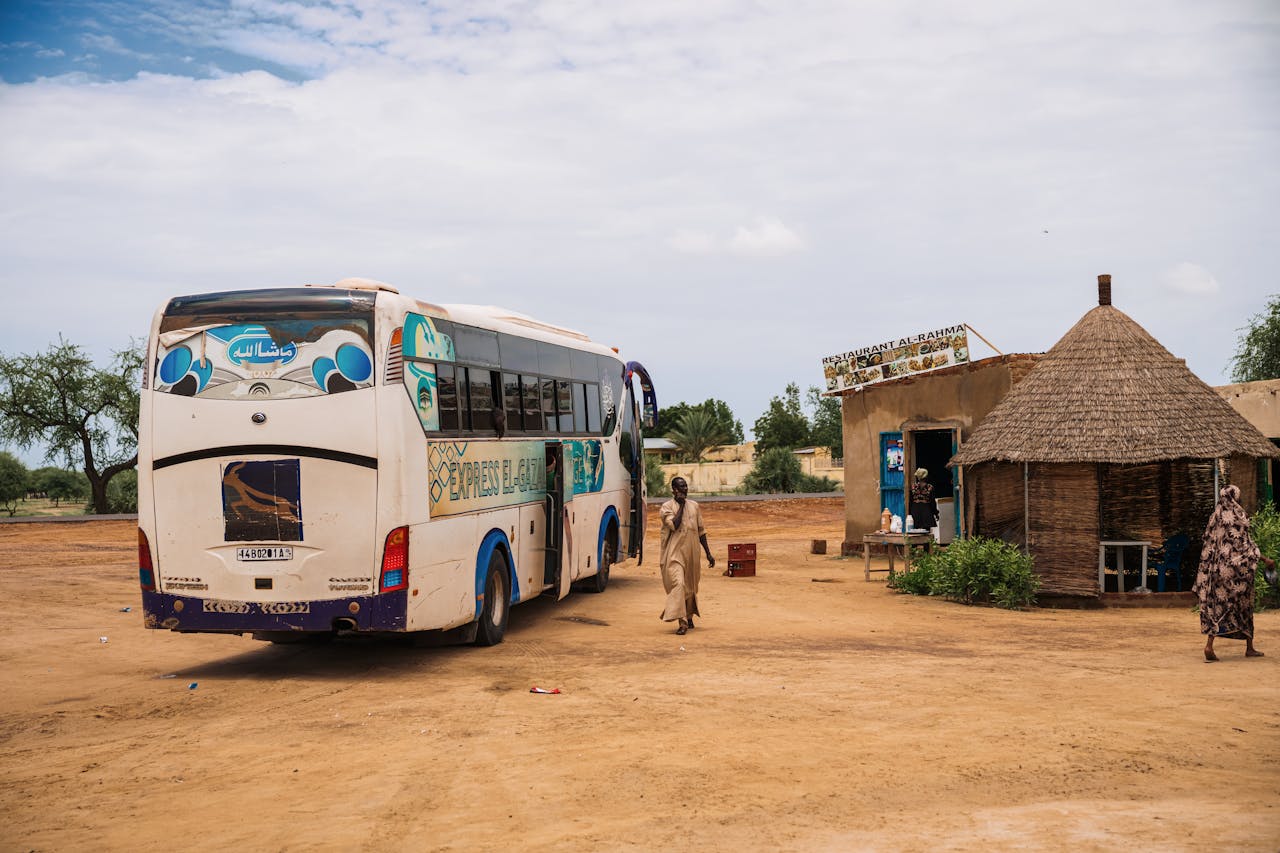
Photo by Faruk Tokluoğlu via Pexels
By Newz.Africa News Desk | Limpopo, South Africa | 19 February 2026 | Zimbabwe bus crash Limpopo
A bus travelling to Zimbabwe plunged into an embankment outside Makhado in Limpopo, with an unconfirmed number of people feared dead. As emergency details remained limited, public reaction online moved quickly from shock to anger, exposing deep frustrations over road safety, corruption and cross border transport.
Within minutes of the first alerts, social media platforms filled with commentary that extended far beyond the crash itself. Many netizens framed the incident as another chapter in a familiar and unresolved crisis involving long distance buses, enforcement failures and the Road Accident Fund.
Zimbabwe bus crash Limpopo backlash centres on RAF
One of the strongest themes online was resentment toward the Road Accident Fund. Several users argued that claims should be directed at bus operators rather than the state, warning that public funds would again be stretched to cover what they described as preventable negligence.
Some posts claimed taxpayer money would now be used to support victims linked to cross border travel, while others accused authorities of failing to regulate bus companies that repeatedly operate under unsafe conditions.
The tone hardened in places, with calls for stricter limitations on claims and demands that the RAF take a tougher stance against operators involved in repeated incidents.
Roadworthiness and corruption dominate netizen response
Another dominant narrative focused on roadworthiness and enforcement. Multiple users alleged that buses on long distance routes are frequently overloaded, poorly maintained and allowed to operate through bribery.
Traffic officers were repeatedly mentioned, with claims that inspections are ignored in exchange for bribes. Several netizens argued that accountability should extend beyond drivers to officials tasked with ensuring road safety.
Others called for criminal investigations into both operators and regulators, saying the recurring nature of such crashes suggests systemic failure rather than isolated error.
Zimbabwe bus crash Limpopo backlash fuels xenophobic undertones
As engagement grew, parts of the conversation drifted into xenophobic territory. Some posts singled out Zimbabwe bound buses as inherently dangerous, while others made sweeping claims about migrant travel and responsibility.
These comments were challenged by users who warned against using tragedy to target communities. A smaller group attempted to redirect focus toward infrastructure, enforcement and safety standards that affect all road users regardless of nationality.
Despite this pushback, hostile commentary received significant engagement, highlighting how quickly grief and anger can be redirected toward identity based blame.
Desensitisation and fatigue after repeated crashes
Several netizens expressed emotional exhaustion, noting how frequent bus crashes have become part of the news cycle. Some described feeling numb to daily reports of fatal accidents, questioning whether meaningful reform would ever follow.
Others raised practical concerns, including the safety of bridges and roads in the area, and whether infrastructure assessments are conducted after repeated incidents.
A recurring sentiment was that each crash generates outrage but little lasting change.
Accountability remains the unresolved question
At the time of writing, official confirmation of fatalities and causes had not been released. What remained clear from the public response was a demand for accountability that extends beyond statements and condolences.
For many netizens, the crash symbolised a failure of regulation, enforcement and political will. Until those issues are addressed visibly, online outrage is likely to remain the primary outlet for public frustration.
The tragedy outside Makhado has once again exposed how road safety in South Africa is not only a transport issue, but a governance one.
About the Author


