
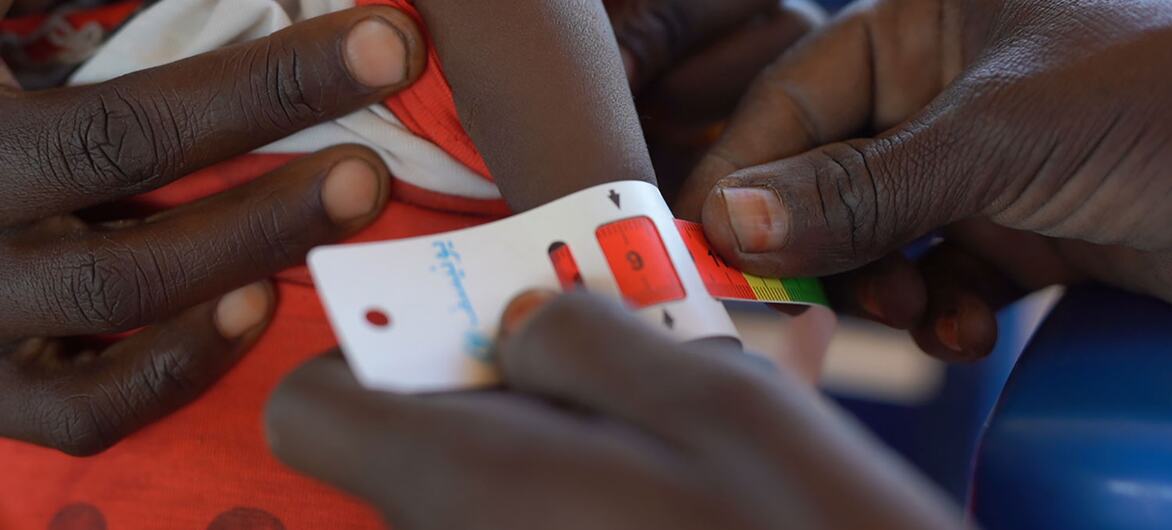
Picture: Mohammad Jamal via United Nations
Families across Sudan are facing extreme hunger as brutal conflict continues to tear the country apart. The Sudan famine WFP crisis has become the world’s largest hunger crisis, according to the World Food Programme. It is also the largest displacement emergency. There are no signs of easing. More than 1,000 days of fighting have destroyed supply routes, forced mass displacement and trapped communities without help.
Aid access collapses amid Sudan famine and ongoing conflict
WFP has reached more than 10 million people with food, cash and nutrition support since conflict escalated in April 2023. The agency still delivers assistance to about four million people every month. This includes support in hard‑to‑reach parts of Darfur, Kordofan, Khartoum, and Al Jazira. But WFP warns that it has been forced to cut rations to the bare least needed for survival. Stocks will run out by the end of March. Without immediate funding, millions will lose access to food within weeks. This illustrates the ongoing crisis around Sudan. It highlights famine and the WFP’s crucial role in this emergency.
WFP food shortages push Sudan families closer to famine
Nearly 1.8 million people living in famine or near‑famine conditions have received monthly assistance in the past six months. Limited breakthroughs, like a UN convoy reaching Kadugli in October, have offered only temporary relief. For context, these challenges are all part of the wider Sudan famine WFP crisis now dominating humanitarian discussions. Many families had been cut off from aid for months before these narrow windows opened.
More than 21 million people across Sudan now face acute hunger. Famine has been confirmed in areas where conflict has blocked humanitarian access. Almost 12 million people have been displaced. Among them are 3.7 million children and pregnant or breastfeeding women who are malnourished. Surveys in North Darfur show record levels of wasting. In some locations, more than half of young children are malnourished. This is a tragic indicator of the depth of the famine. It also highlights the radiating impact of the WFP crisis in Sudan.
Funding gap fuels the worsening WFP crisis in Sudan
WFP says it has the teams and access needed to scale up, but only if funding arrives in time. The agency needs 700 million dollars to keep operations running from January to June. Without it, the hunger crisis will worsen. Families already at breaking point will face even greater danger. This will exacerbate the Sudan famine WFP crisis.
Also Read:
About the Author


